

Occupational Safety App Instructional Video
Learn how to download and use our safety App.
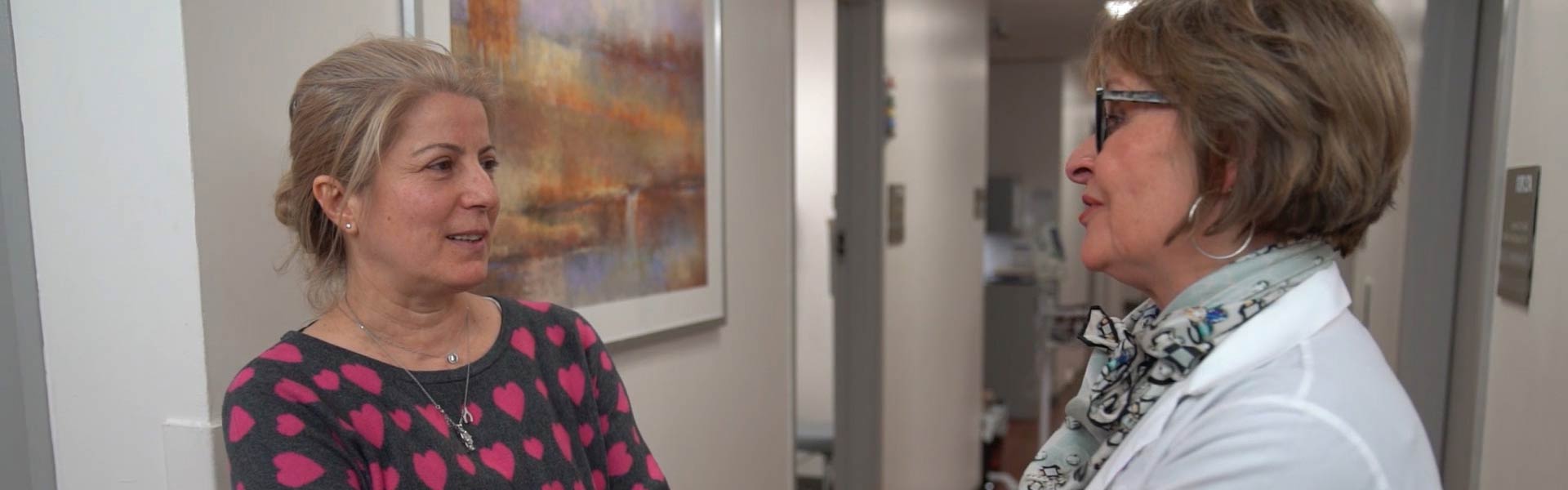
Patient Services
Offering resources and comprehensive services for workers

Occupational Safety App
A free resource for workers on topics related to occupational health

WTC Health Program CCE
Providing monitoring and treatment for 9/11 workers and volunteers

Total Worker Health
An affiliate program for ensuring healthier and safer workplaces
Mount Sinai Selikoff Centers for Occupational Health
Mount Sinai Selikoff Centers for Occupational Health
The Mount Sinai Selikoff Centers for Occupational Health are dedicated to providing cutting-edge clinical services with a focus on prevention to keep workers healthy and their workplaces safe. Our multidisciplinary health care team includes physicians, nurse practitioners, industrial hygienists, ergonomists, social workers, workers’ compensation and benefits specialists who provide comprehensive patient-centered services.
We diagnose and treat occupational diseases, evaluate the work conditions of our patients to determine whether other co-workers may be at risk, and suggest measures to improve work environments. Identification of workplace hazards can be used to prevent occupational diseases through training and education of workers and their employers, along with establishing effective workplace interventions.
To make an in-person or telemedicine appointment, email occmed@mountsinai.org or call 888-702-0630.
Occupational Medicine at Mount Sinai
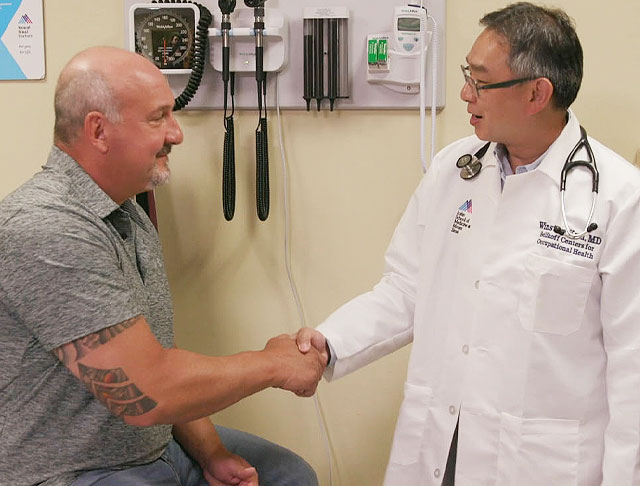
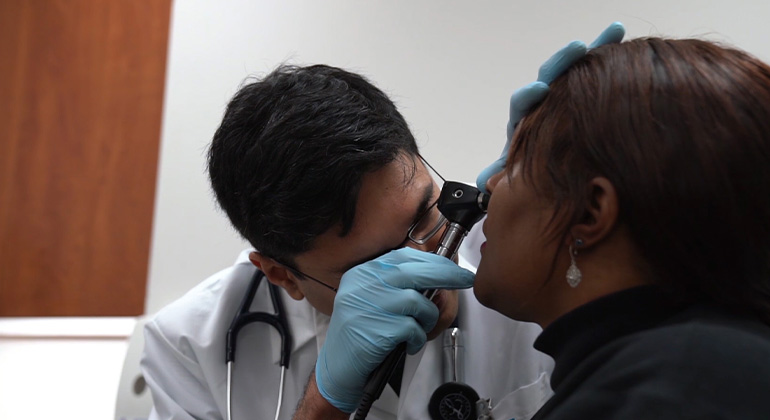
Evaluation of Work-Related Conditions
Providing expert care for work-related injuries and illnesses
Learn More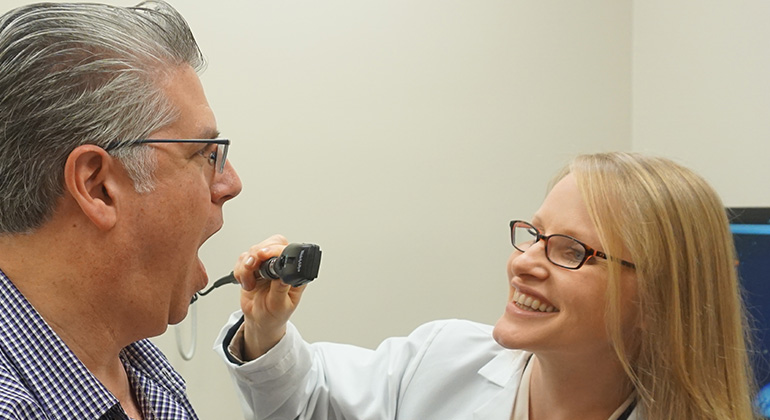
WTC Health Program Clinical Center of Excellence (CCE)
Medical monitoring and treatment for 9/11 workers and volunteers
Learn More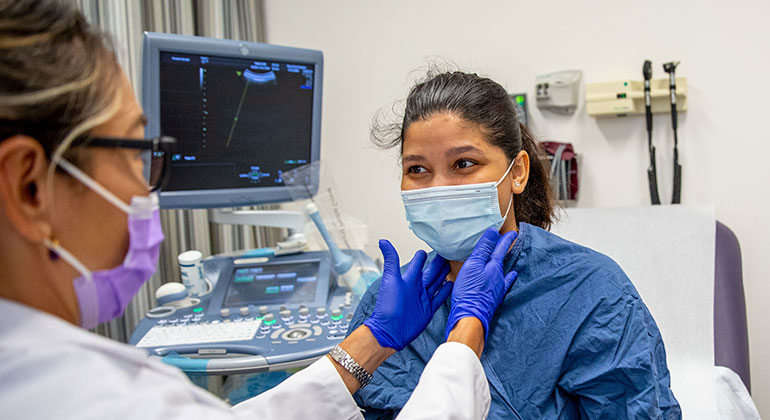
COVID-19 Health and Safety Resource for Workplaces
A guide to assist employers to establish safe practices in the workplace
Learn More
Employer Services
Medical surveillance and workplace safety and health program development
Learn More
Union Services
Partnering with unions to support their members’ occupational health needs
Learn More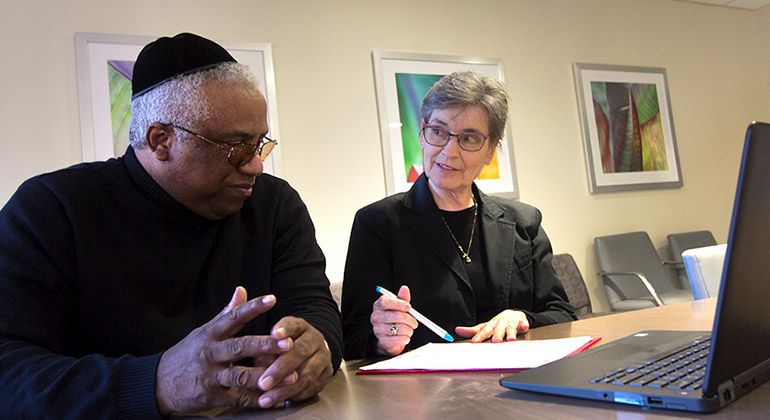
Career and Vocational Services
Helping our patients develop skills they need to find jobs or make career changes
Learn More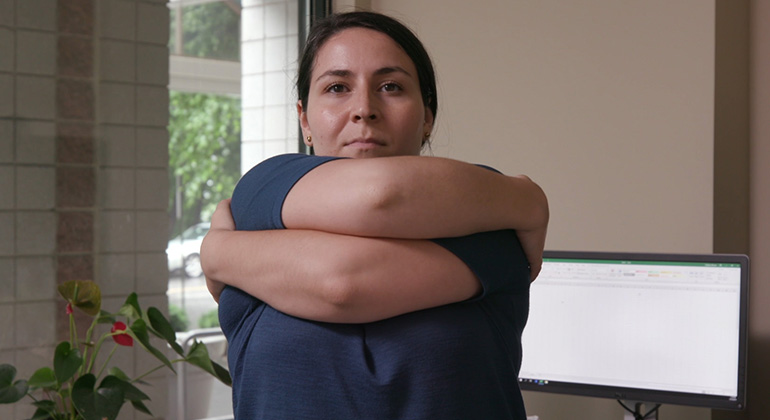
Ergonomics and Injury Prevention Program
Providing injury management, injury prevention, and hazard reduction strategies
Learn More
EMS Worker Injury Reduction and Prevention Program
Providing comprehensive education for EMS workers throughout New York City and the Mid-Hudson Valley.
Learn More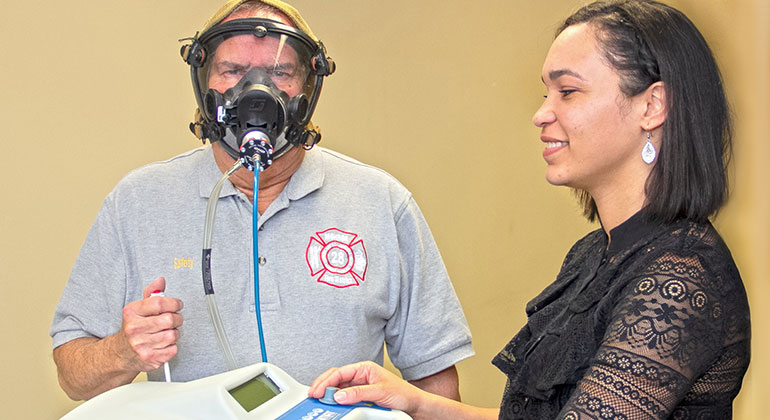
Industrial Hygiene
Offering hazard assessments, respirator fit testing, and specialized safety trainings
Learn More
Mindfulness and Stress Reduction
Offering group sessions to develop self-awareness and resilience
Learn More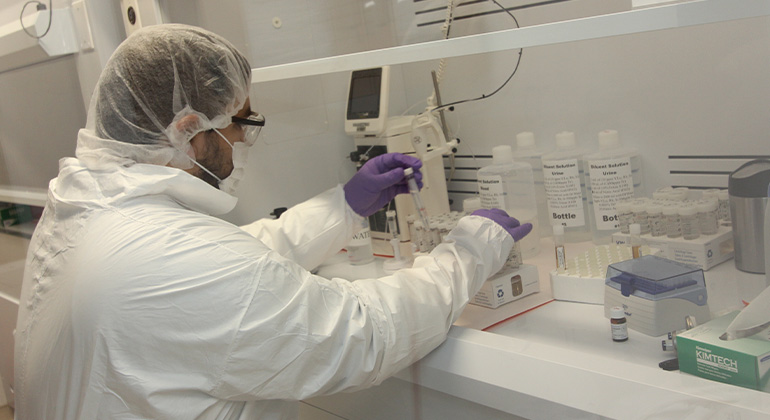
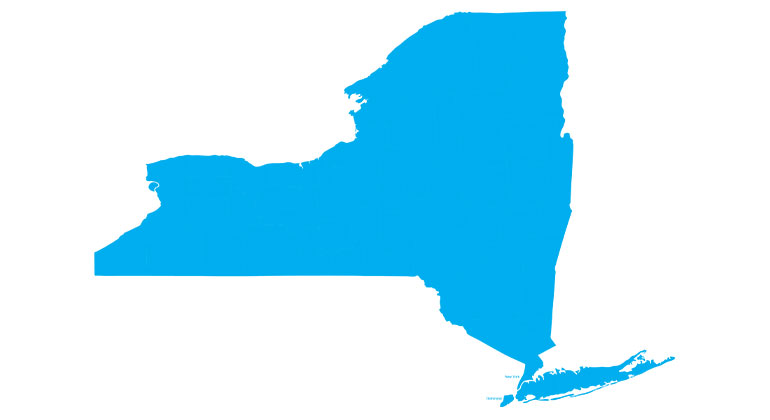
New York State Occupational Health Clinic Network
A public health-based network offering clinical and preventive occupational disease services
Learn More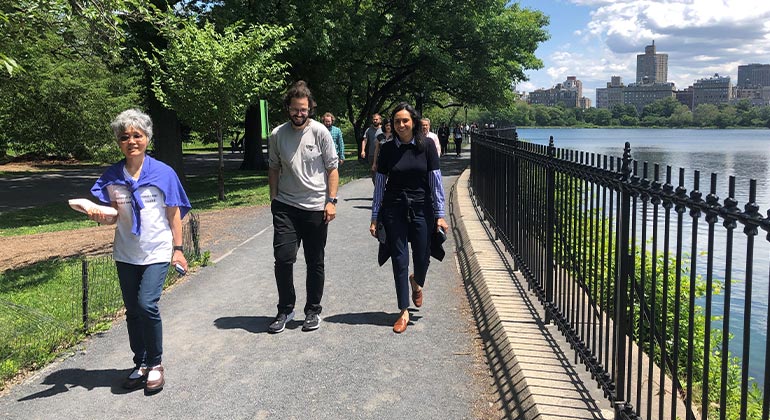
Total Worker Health Affiliate Program
Offering prevention and treatment to ensure healthier and safer workplaces
Learn More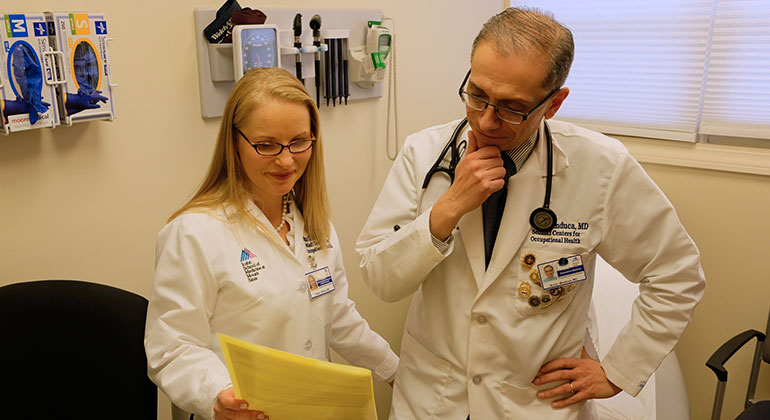

Educational Resources
Various resources and newsletters regarding workplace health and safety
Learn More